Lingering Warmth in the High Alps
Join us as we explore designing slow hospitality—architecture and interiors of Alpine huts and cafés—where altitude reshapes comfort, materials speak with weathered honesty, and time expands between footsteps and steins. We will trace vernacular wisdom, sustainability, and sensory detail, from avalanche-smart roofs to wool-warmed benches, crafting places that welcome breath, stories, and snow. Expect practical insights, field anecdotes, and generous cues you can adapt far beyond the ridgeline.



Roots of Unhurried Welcome
High-mountain welcome begins long before a door opens. It forms along goat paths, in timber yards, and around shared tables where soup simmers slowly and conversations linger without clocks. Understanding these roots means honoring pastoral rhythms, altitude’s demands, and the emotional relief hikers feel when wind-battered faces meet radiant warmth. Design becomes a keeper of patience, encouraging steady arrivals, unhurried meals, and the quiet pride of craft visible in every joint, seam, and stove ember.

Architecture Tuned to Altitude and Weather
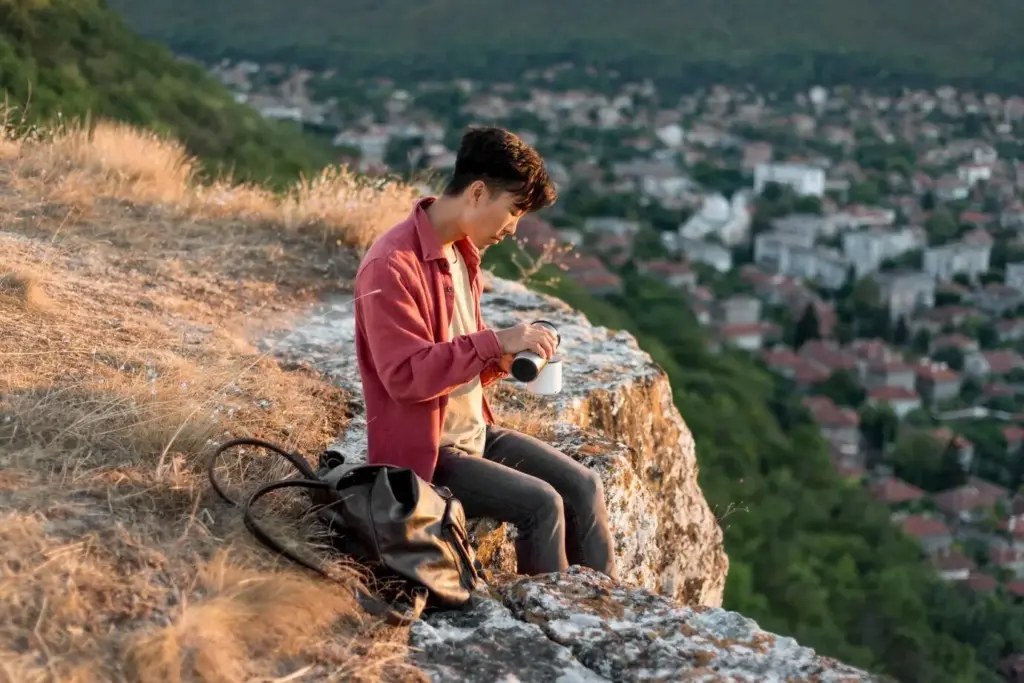
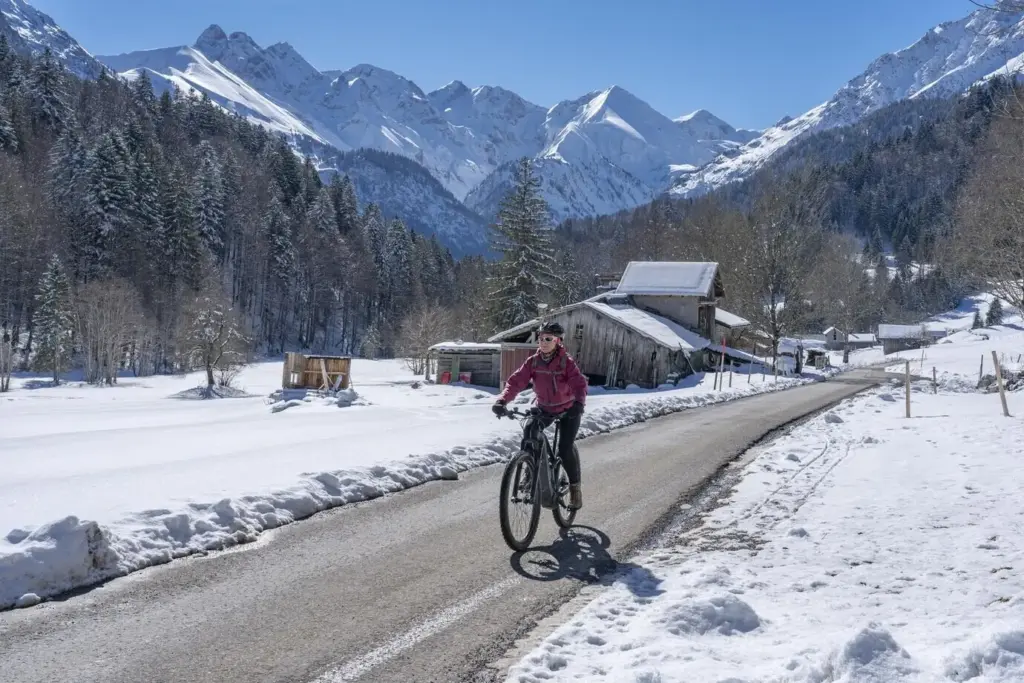
Above the treeline, buildings behave like equipment: precise, durable, and unpretentious. Orientation fights wind yet welcomes low winter sun. Roofs shrug snow, foundations grip fractured rock, and compact footprints conserve heat and labor. Detailing embraces freeze–thaw cycles, drifting snow, and ferocious ultraviolet light. Every element earns its keep with layered purpose—structure that doubles as storage, overhangs that stage arrivals, windows that frame routes—turning necessity into character and resilience into enduring comfort worth the climb.
Interiors for Lingering, Sharing, and Rest
Inside, slowness becomes tactile. Elbows meet larch, socks touch slate warmed by radiant loops, and wool softens every pause. Seating mixes communal heft with intimate niches, allowing strangers to become companions without pressure. Acoustic damping quiets clatter so murmurs carry clearly. Storage hides gear yet keeps essentials effortless. Light descends in calm layers, warming skin rather than theatrics. The room’s job is simple: honor bodies tired from weather and hearts hungry for company.
Choose finishes that welcome scratches as patina, not damage. Larch darkens kindly; oiled stone forgives spills; wool resists embers and damp socks. Joints invite repair, not replacement. When surfaces tell stories of seasons—boot marks near stoves, sun-faded planks by the east window—guests feel permitted to belong. Longevity becomes aesthetic, proving that beauty deepens through use. This honesty quiets performance anxiety, encouraging relaxed posture, shared bread, and another pot slowly whispering on the hob.
Daylight leads, but evening should never glare. Use warm, low-glare pendants above tables, concealed strips washing timber grain, and task lamps near maps and journals. Firelight or stove glow gives focal security without spectacle. Avoid cold color temperatures that flatten food and skin. Dimmers invite conversations to soften naturally as storms intensify. When light respects circadian ease and reveals texture lovingly, people lean closer, laugh longer, and forget the schedules waiting beyond the pass.
Local Craft, Circular Supply, Enduring Value
In remote terrain, every kilogram counts and every kilometer matters. Partnering with nearby foresters, sawmills, stonemasons, and textile makers reduces transport strain while amplifying regional character. The lifecycle lens guides choices: reversible assemblies, mechanical fixings, salvageable boards, and finishes friendly to future caretakers. When operations embrace maintenance rituals and repair-first attitudes, the place gathers dignity rather than waste. Guests recognize this stewardship instinctively and often join in, treating benches, mugs, and trails with deeper respect.
From Forest Edge to Joinery Bench
Trace each beam’s biography: responsibly thinned stands improving habitat, portable mills minimizing roads, seasoning schedules matching construction windows, and local joiners translating grain into structure. This lineage strengthens both climate logic and identity. Subtle irregularities—sap streaks, honest knots—become signatures, not flaws. Care labels invite guests to touch and learn, turning materials into storytellers. By foregrounding provenance, design transforms from anonymous finish into kinship with place, encouraging loyalty measured in return visits and volunteer workdays.
Repair Is a Feature, Not a Fix
Hardware sized for gloved hands, replaceable chair rungs, and finishes that welcome spot-sanding make longevity practical. Staff storage includes mending kits and spare parts, while signage celebrates repairs like badges of honor. Costs spread gently across years rather than spiking with replacements. Patrons notice the honesty and often offer skills, creating micro-communities around upkeep days. When everything is built to be maintained, not merely admired, slowness becomes operational culture rather than marketing copy.
Energy, Water, and Waste in Concert
High-altitude systems must sing together. Superinsulated shells reduce loads, while solar arrays pair with battery storage and carefully vented stoves. Water capture aligns with snowmelt rhythms; low-flow fixtures respect scarcity without fuss. Waste streams separate earlier, guiding composting and pack-out habits that guests can understand instantly. Clear, beautiful diagrams turn back-of-house pragmatism into shared literacy. When infrastructure is legible and kind, visitors leave with behaviors portable to city kitchens, multiplying impact long after descent.


Seasonality and Adaptive Use
Life above the valley rarely holds steady. Winter skiers, summer hikers, shoulder-season storm-watchers, and locals seeking a quiet weekday nook require graceful shifts without daily reconfiguration marathons. Furniture folds but never wobbles, textiles swap with clear labeling, and storage geometry anticipates awkward gear. Sleeping lofts convert to reading perches; terraces become drying lines then stargazing decks. When the building adapts as calmly as weather changes, hospitality remains consistent, generous, and unhurried, regardless of forecast or footfall.
Guest Journeys and Service Choreography
{{SECTION_SUBTITLE}}
Mapping Moments, Not Just Routes
Guest journeys are sequenced around feelings: relief, orientation, nourishment, and awe. Each touchpoint—entry bench, drying nook, tea counter, window seat—receives one thoughtful cue that eases decision-making without signage overload. Staff scripts remain flexible, allowing genuine conversation to replace canned lines. When owners map emotions alongside arrows, they uncover bottlenecks invisible on plans. Share your own alpine rituals in the comments, and we will assemble a collective map guiding better welcomes across altitudes.

Back-of-House that Breathes
Pantries, prep areas, and waste stations should inhale and exhale with service waves. Wide passes prevent collisions, sightlines catch raised hands, and quiet floors dampen clatter. Prep tables at varied heights honor different bodies and tasks. Windows toward guests offer micro-moments of connection without performative pressure. When staff feel seen and supported, hospitality radiates outward. Tell us which operational tweaks most transformed your service; we will compile practices readers can adapt on their next refit.
All Rights Reserved.